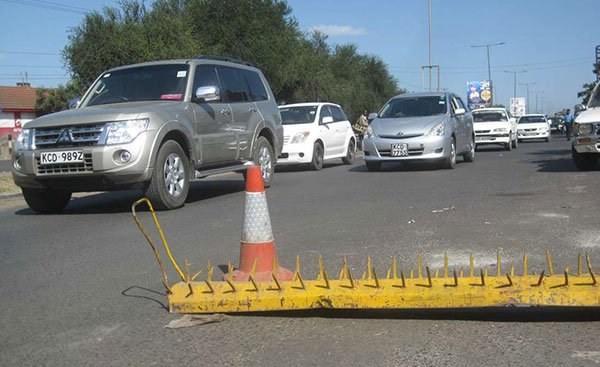
We have all seen the anxiety that hits a motorist when a police officer jumps onto the road. The fear of harassment often leads drivers to pay bribes for minor mistakes. However, the Judiciary and the National Council on the Administration of Justice (NCAJ) have issued clear guidelines to protect motorists.
1. You Cannot Be Detained for Minor Offenses
Police officers are prohibited from locking you in a cell for traffic offenses punishable by a fine only (e.g., speeding, overlapping, lack of insurance sticker). You should be given a "Notification to Attend Court" (NTAC) and allowed to go.
2. The Right to Bail
If the offense is serious (e.g., drunk driving), you have an immediate Constitutional right to Cash Bail. The police cannot deny you bail to "punish" you over the weekend. You must be released once you pay the bail amount set for that offense.
3. Asking for Evidence
If you are accused of speeding, you have the right to see the reading on the Speed Gun. If you are accused of drunk driving, you have the right to observe the breathalyzer reading. Do not accept a charge blindly.
4. Paying Fines
Traffic courts no longer accept cash to prevent corruption. All fines are paid via M-Pesa Paybill numbers provided by the Judiciary in open court. If an officer asks you to send money to their personal number, that is a bribe, not a fine.
What to Do If Arrested
- Remain calm and polite. Aggression will be used against you.
- Do not surrender your car keys unless you are unable to drive (e.g., intoxicated).
- Call your advocate immediately if you are being detained unlawfully.
Legal Emergency?
Keep our number saved. Wanyoike & Partners provides urgent representation for clients facing unfair arrest or harassment.