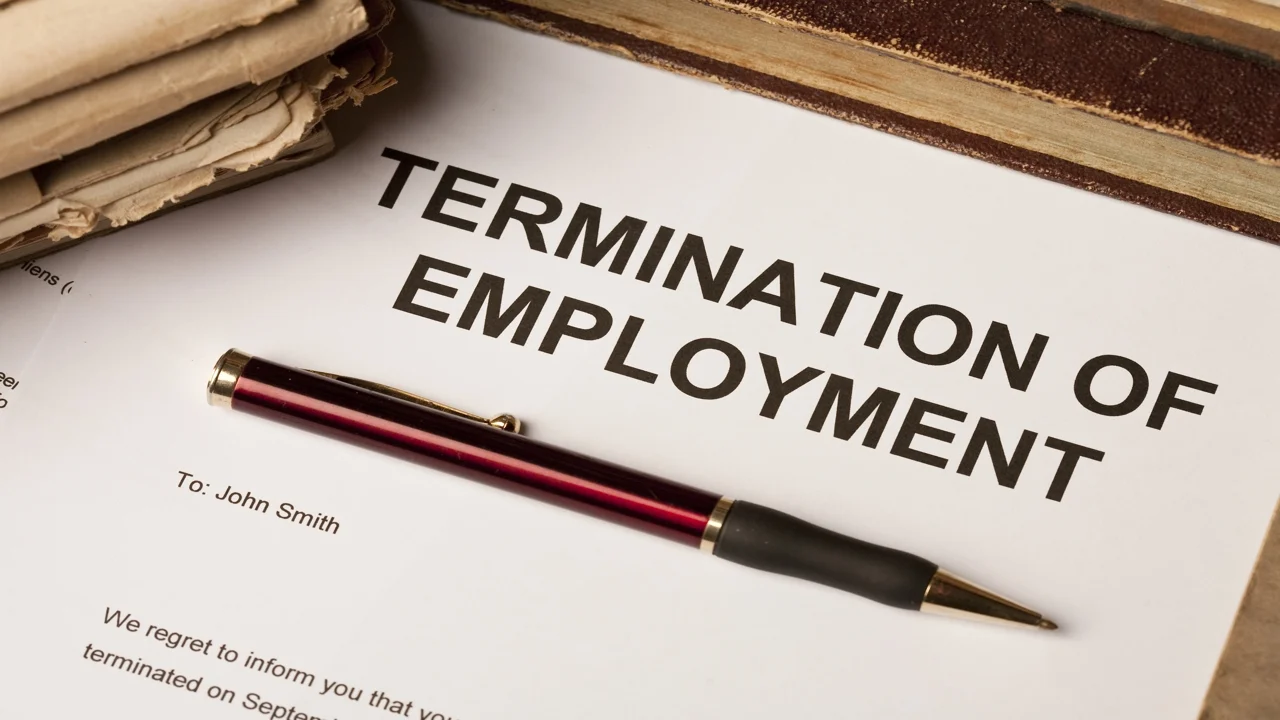
Losing a job is one of the most stressful events in an adult's life. It affects your finances, your family, and your dignity. But what makes it worse is when the termination is done illegally.
In the past, employers in Kenya could hire and fire at will. Today, the Employment Act (2007) and the Constitution provide robust protection for employees. An employer cannot simply wake up one morning and tell you not to come back. There is a mandatory legal procedure that must be followed.
If you have been dismissed without a valid reason or without due process, you may have a claim for Unfair Termination.
What Constitutes Unfair Termination?
Under Kenyan law, a termination is deemed unfair if the employer fails to prove two things:
- Substantive Fairness: There must be a valid, fair reason for the dismissal (e.g., poor performance, gross misconduct, or redundancy).
- Procedural Fairness: The employer must follow the correct legal steps before making the decision.
Most cases we handle at Wanyoike & Partners are won not because the employee didn't make a mistake, but because the employer failed to follow the procedure.
The Mandatory Procedure (Section 41)
Section 41 of the Employment Act is the shield of the employee. Before an employer can dismiss you for misconduct or poor performance, they must adhere to the following steps:
1. The Show Cause Letter
You must be issued with a letter explaining exactly what you are accused of doing wrong. This letter must give you a reasonable time to respond and explain your side of the story.
2. The Disciplinary Hearing
You cannot be judged in your absence. The employer must invite you to a disciplinary hearing. This is your opportunity to defend yourself against the accusations.
3. The Right to Representation
This is a right many employees are unaware of. Under Section 41, you have the right to be accompanied to this hearing by a fellow employee or a Union Representative. They are there to ensure the process is fair and to act as a witness.
4. The Notice of Termination
If, after the hearing, the employer decides to terminate you, they must give you written notice. The length of this notice is usually defined in your contract (typically one month). Alternatively, they can pay you the equivalent salary in lieu of notice.
What About "Summary Dismissal"?
There are rare cases where an employer can fire you instantly without notice, known as Summary Dismissal. This applies to serious offenses ("Gross Misconduct") such as theft, physical assault, being drunk at work, or gross negligence.
However, be warned: Even in cases of Summary Dismissal, the right to a hearing still applies. An employer cannot just assume you stole something and fire you; they must still give you a chance to be heard.
Remedies: What Can You Sue For?
If you believe you were unfairly terminated, you can file a suit in the Employment and Labour Relations Court. If the court rules in your favor, you may be awarded:
- Payment of Terminal Dues: Any pending salary, leave days not taken, and notice pay.
- Compensation for Unfair Termination: The court can award you damages equivalent to up to 12 months of your gross salary.
- Certificate of Service: A mandatory document proving you worked there.
Conclusion
Do not suffer in silence. If you have been treated unfairly, do not sign any documents accepting the termination or "waiving your rights" until you have spoken to a lawyer.
Contact Wanyoike & Partners Advocates today. We will review your termination letter and advise you on the strength of your case.